Microsoft has officially announced Windows 11 on 24 June 2021, the next version of its desktop operating system. Microsoft has not released another version of Windows for 6 years because Windows 10 was a continuously updated operating system.
Your Windows 11 Upgrade Guide
At Insight IT, we are committed to ensuring that your systems are always running smoothly and securely. With the recent release of Windows 11, we want to help you take advantage of the latest features and improvements by guiding you through the upgrade process from Windows 10 to Windows 11.
Why Upgrade to Windows 11?
- Enhanced Performance: Windows 11 is designed to be faster and more efficient.
- Improved Security: Benefit from the latest security features to protect your data.
- New Features: Enjoy a redesigned interface, better multitasking, and enhanced support for virtual desktops.
Here are some of the new features coming to Windows 11
New Start Menu
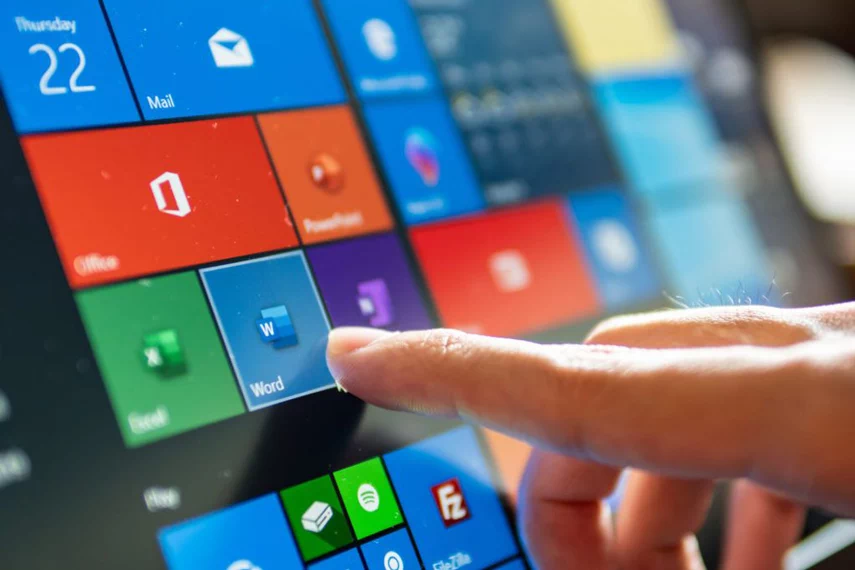
The new Windows Start menu appears by default in the middle of the screen, though you can change a setting to make it appear on the left. Gone are the live tiles, replaced with simple, colourful icons.
According to Microsoft, the menu uses “the cloud” to help you as it shows recommended apps/documents, no matter what device you were working on previously.
Teams Integrated with Windows
With the new Windows 11, Microsoft Teams 2.0 will be also released. The Teams icon will be on the taskbar and you’ll be able to use it to make calls to anyone else who uses Teams on any device, including Android and iOS devices. You’ll also be able to send and receive SMS messages from the taskbar.
Windows Widgets
Widgets are essentially a group of small graphical apps, quickly accessible directly from the Windows 11 taskbar and designed to provide at-a-glance information about news, weather, sports results, stocks and the like.
Snap Groups
This new feature will save the collection of apps the user was using and their layout, letting them easily return to that set-up if they have to pause to work on something else. And if someone is using a monitor that they have to unplug from, when they re-dock, the snap layout they were using before will also return.
Reorganized the Settings App
Microsoft adds flourishes such as a prominent link to rename your PC, widgets to show paired devices, and a way to see which subfolder you’re looking in. Plus, the left rail of options doesn’t change as you move from section to section as it did before, making navigation easier. There are also six desktop wallpapers to choose from. The menu options have been moved around, with some sections getting new names.
Auto HDR for Gamers
Windows 11 will bring an “Auto HDR” feature for gamers, that will automatically improve the colour and lighting of game displays, technology first introduced in Microsoft’s Xbox consoles.
Xbox Game Pass will now be built into Windows 11 to give subscribers access to a library of hundreds of games on their PCs.
Microsoft is bringing Android apps to Windows 11
Currently, Android apps are available to use on Windows 10, but only with the Your Phone app that Microsoft rolled out last year. With windows 11, the integration means the apps will be in the Start menu, show up with individual dedicated icons on the taskbar and launch with desktop shortcuts, too. They’ll start to appear in the Microsoft Store, but you can also install them via the Amazon app store.
Upgrade cost
Like Windows 10 before it, Windows 11 will be a free upgrade for anyone who has a recent prior version of Windows and the right hardware. The company lists certain minimum requirements (see below).
Accessories compatibility
If you are concerned about whether your printer will work with Windows 11, then you shouldn’t. Most of the peripherals and accessories that work today should continue to work with the new operating system. Check with your software publisher or accessory manufacturer for specific details on your products.
Upgrade Instructions
Step 1: Back Up Your Data
Before making any major changes to your system, it’s crucial to back up your important files. You can use an external drive or cloud storage services such as OneDrive.
- Back up files to OneDrive:
- Open OneDrive and sign in.
- Drag and drop files into the OneDrive folder or use the “Sync” feature.
Step 2: Update Windows 10
Ensure your current system is up to date to avoid any issues during the upgrade.
- Open Settings: Press Windows + I to open the Settings app.
- Go to Update & Security: Click on “Update & Security.”
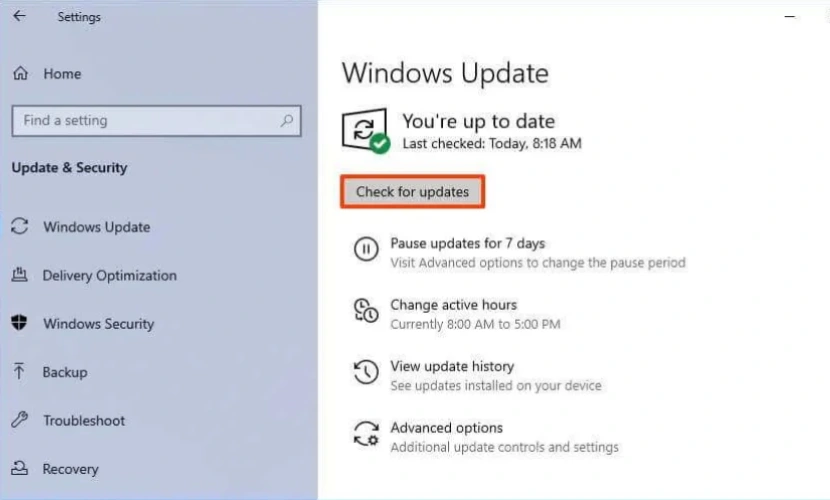
- Check for updates: Click on “Check for updates” and install any available updates.
Step 3: Download and Install Windows 11
- Open Settings: Press Windows + I to open the Settings app.
- Go to Update & Security: Click on “Update & Security.”
- Select Windows Update: Click on “Windows Update.”
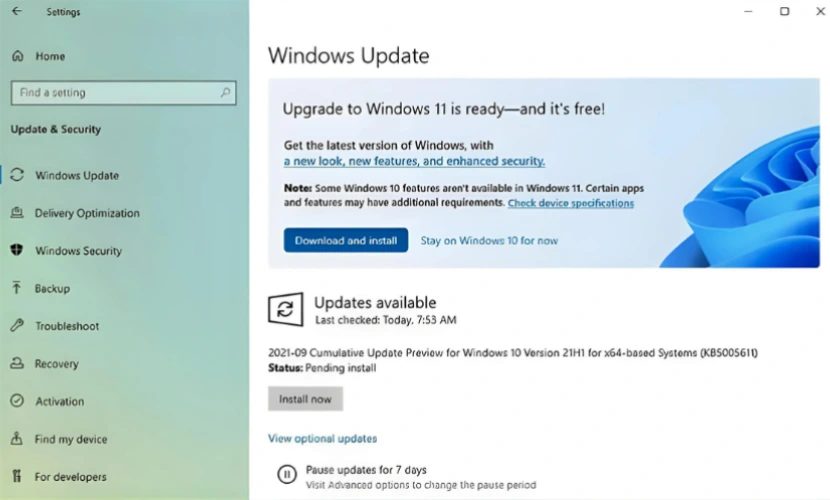
- Check for updates: Click on “Check for updates.” If your device is compatible, you’ll see an option to download and install Windows 11.
- Download and install: Click on “Download and install” and follow the on-screen instructions.
Step 4: Post-Installation Setup
Once the installation is complete, follow the on-screen instructions to set up your new Windows 11 environment. This may include signing in with your Microsoft account and restoring your backed-up files.
If you encounter any issues during the upgrade process, our team at Insight IT is here to assist you. Please don’t hesitate to reach out to our team or call us at 1300 911 000.
Device Compatibility
If your device is not compatible with Windows 11, don’t worry! Contact us, and we can provide you with options for upgrading your device. Our team can help you find the best solution to ensure you stay up-to-date with the latest technology.
What are the hardware requirements for Windows 11?
Most Windows 10 PCs currently being sold will be able to upgrade to Windows 11. Windows 11 features a set of new system requirements that Microsoft has set to ensure all Windows 11 PCs are performing optimally in both security and stability departments. Here are the minimum hardware requirements for Windows 11:
- 1-GHz or faster with 2 or more cores on a 64-bit processor.
- 4GB RAM
- 64GB of storage
- UEFI, Secure Boot capable
- Trusted Platform Module (TPM) 2.0
- Graphics card compatible with DirectX 12
- Bigger than 9in display with 720p resolution
- Microsoft account + internet connection. No offline installs
If your PC doesn’t meet the minimum hardware requirements, you can keep using Windows 10 as it continues to be a great version of Windows. Microsoft has committed to supporting Windows 10 through 14 October, 2025.
For more information and to learn about feature-specific requirements, you can check them here.